
For healthy endurance athletes, energy gels are safe used as intended: during a long effort, with water, at a sensible rate. A gel is just food — fast-absorbing carbs plus a little sodium, and sometimes caffeine. The problems people run into are almost always stomach discomfort from taking in more than the gut can absorb, not danger. Gels are fuel for exercise, not an everyday snack.
This article is general information, not medical advice. If you have a health condition or specific concerns, talk to your doctor.
What's actually in an energy gel?
Strip a gel down and it's a small, concentrated dose of carbs your body can turn into energy quickly, some sodium to replace what you sweat out, and — in caffeinated versions — a measured amount of caffeine. That's the job: get usable carbs into your bloodstream fast while you're working hard. The carb source varies by brand. Many gels use processed carbs like maltodextrin and fructose; Hüma builds its carbs from real-food sources instead — brown rice syrup and real fruit purees and concentrates. Either way, the core idea is the same: fuel you can carry and take on the move. For the full parts list, see what's actually in an energy gel.
Are energy gels bad for you?
Used the way they're meant to be — as fuel during endurance efforts — a gel is food, and for healthy athletes there's nothing alarming about it. The reputation for "trouble" usually comes down to how they're used, not what they are. Take in carbs faster than your gut can process them, skip the water, or treat a gel like a between-meal snack on the couch, and you can feel it. Take them at a sensible rate during exercise, with water, and they do exactly what they're built to do. If you manage a specific medical condition, that's a conversation for your doctor — not something a fueling guide can answer.
What can go wrong — and why
| What people hit | Usual cause | The fix |
|---|---|---|
| Bloating, sloshy stomach | More carbs at once than the gut can absorb; too little water | Ease the rate, take gels with water |
| Nausea | A big concentrated dose all at once | Smaller, more frequent amounts |
| Jittery or wired feeling | Too much total caffeine across a race | Track your caffeine total, use caffeine-free gels for most fueling |
| Cramps, urgent bathroom stops | Overrunning the fructose pathway | Spread fueling out, train your gut |
Notice the pattern: these are discomfort problems from overdoing the rate, not signs of danger. The reliable fixes are the same ones that make fueling work in the first place — a sensible rate, water alongside, and a gut you've trained in advance. See can you take too many energy gels for where that ceiling sits, and why energy gels upset your stomach for the mechanics.
How to use gels sensibly
- Take them during the effort — gels are exercise fuel, not an everyday snack. They shine when you're working hard and burning through carbs.
- Stick to a sensible rate — for most endurance athletes, two to three gels per hour covers it.
- Take them with water — water helps the carbs move out of your stomach and into your bloodstream.
- Mind your caffeine total — caffeinated gels add up across a race, so plan the number.
- Practice in training — never try a new fuel or rate for the first time on race day.
Fueling that goes down easy with Hüma
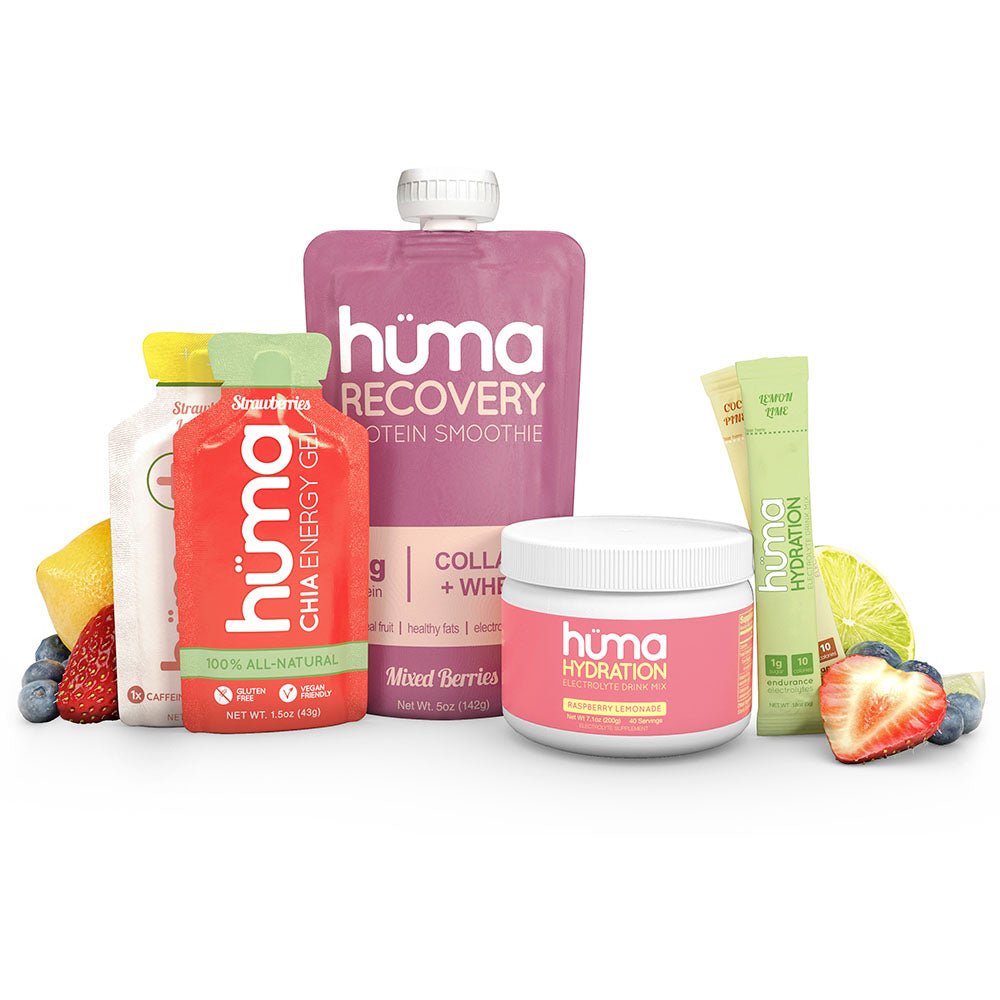
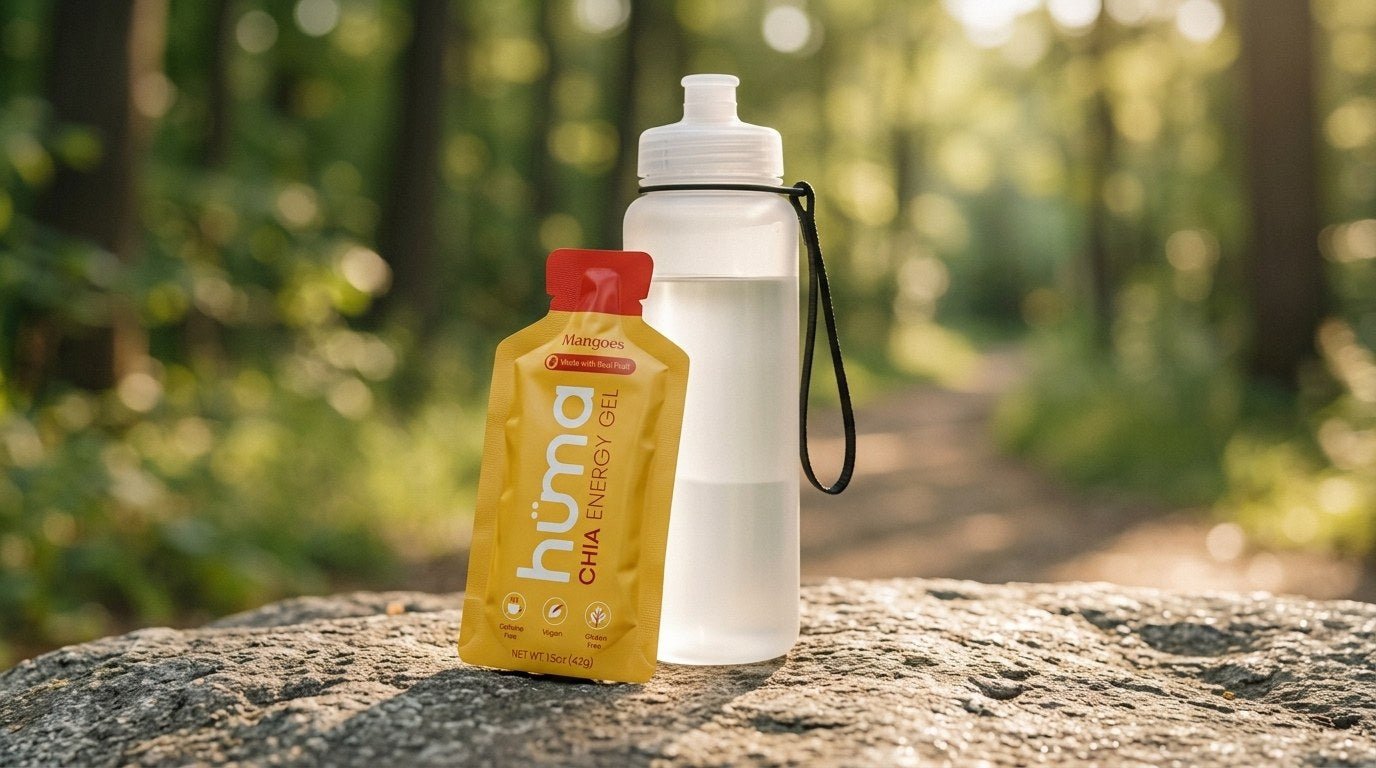
Hüma's approach is real food, taken sensibly: two to three per hour, with water, started early. Each Original and PLUS gel is 24g of real-food carbs from brown rice syrup and real fruit purees and concentrates, with a little chia — whose fiber modulates carbohydrate uptake to a usable rate. There's more water in the formula than a thick, syrupy gel, so it's less concentrated going in — part of why it tends to sit easier when you're fueling a lot. Two flavors carry a nut allergen (PLUS Chocolate Peanut Butter has peanuts; Ultra Apple Pie has coconut, which the FDA classifies as a tree nut), so check the pouch panel if you manage a food allergy. Runners, cyclists, and triathletes get simple, real-food fuel that does its job.
Related guides
- Can you take too many energy gels?
- Why energy gels upset your stomach
- Real food vs. maltodextrin energy gels
- Are Hüma gels vegan and gluten-free?
- Are Energy Gels OK for Kids and Teens?
FAQ
Are energy gels safe?
For healthy endurance athletes, yes — used as intended: during a long effort, with water, at a sensible rate of two to three per hour. A gel is food: fast-absorbing carbs, a little sodium, sometimes caffeine. If you manage a medical condition, check with your doctor.
Are energy gels bad for you?
Used as exercise fuel rather than an everyday snack, no. The trouble people report is usually stomach discomfort from taking in more than the gut can absorb, not danger. Take them at a sensible rate, with water, during the effort.
What happens if you use energy gels wrong?
Taking in more carbs than your gut can absorb, or skipping water, tends to cause bloating, nausea, or cramps. Too much total caffeine can leave you jittery. Ease the rate, take gels with water, and track your caffeine total.
Can you eat energy gels when you're not exercising?
Gels are built as fuel for endurance efforts, when your body burns through carbs quickly. They work best taken during exercise, not as a general snack. Save them for long runs, rides, and races.
How many energy gels is a sensible amount?
For most endurance athletes, two to three gels per hour during a long effort covers it. That's roughly 30 to 60 grams of carbs an hour. Take them with water and start early, before you're empty.